Central Kalahari Game Reserve Summary (2026 Comprehensive Planning Guide):
The Central Kalahari Game Reserve (CKGR) is a 52,800-square-kilometer wilderness in central Botswana, making it the second-largest game reserve on Earth. Famous for iconic black-maned Kalahari lions, fossil river valleys (Deception Valley), summer green season migrations, and ancient San Bushmen heritage, it offers one of Africa’s most profound and exclusive safari experiences.
Top Central Kalahari Safari Camps Ranked (2026)
| Camp Name | Location / Setting | Key Highlights | Rate Tier (pppn) |
|---|---|---|---|
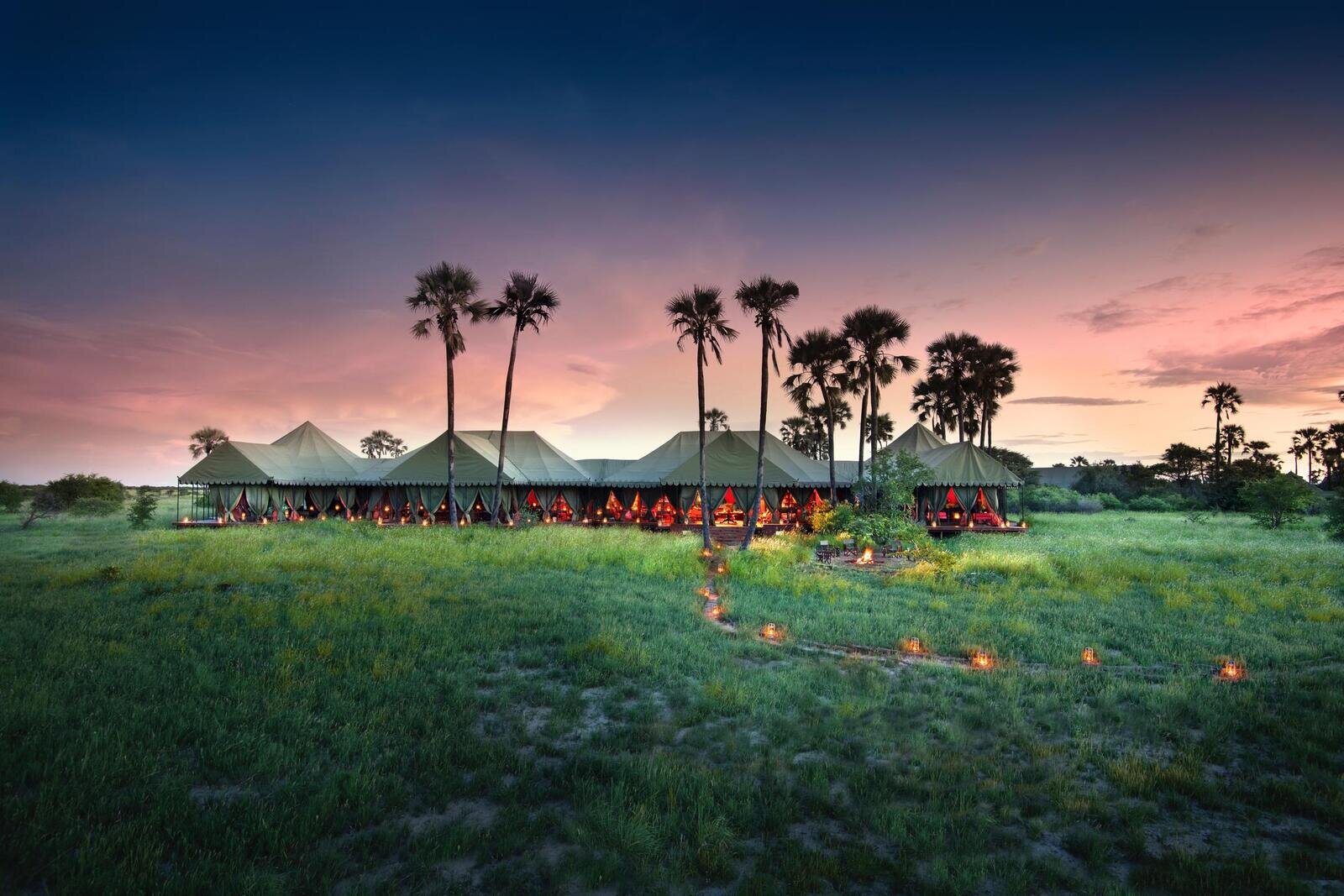
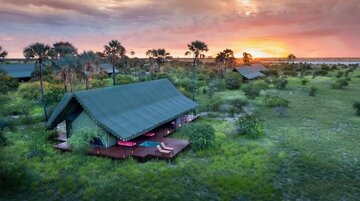
| Kalahari Plains Camp (Wilderness) | Central Pan System (Inside CKGR) | Rooftop star-sleep platforms, prime black-maned lion tracking, solar eco-camp | $1,450 – $2,400 USD |
| Dinaka Safari Lodge (Ker & Downey) | Northern Private Kalahari Reserve | Subterranean photographic bunker hide, sleep-out deck, night drives, San walks | $1,150 – $1,950 USD |
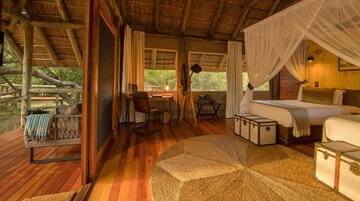
| Tau Pan Camp (Kwara) | Tau Pan Ridge (Inside CKGR) | First permanent camp inside the park, panoramic waterhole view, luxury thatched chalets | $950 – $1,650 USD |
| Deception Valley Lodge | Bordering Deception Valley | Famous San Bushmen cultural experiences, intimate lodge chalets, private traversing | $850 – $1,450 USD |
The Central Kalahari Game Reserve (CKGR) is one of Africa’s most extraordinary and least-visited wildlife destinations. Covering 52,800 km² across central Botswana, it is the second-largest game reserve in the world and the largest in Africa — yet sees a fraction of the visitors of more famous parks. This is precisely its appeal: absolute wilderness, sky-wide horizons, and encounters with wildlife that feel genuinely wild.
Quick Answer: Central Kalahari Game Reserve at a Glance
- Location: Central Botswana, approximately 260km southwest of Maun
- Size: 52,800 km² — the second-largest game reserve in the world
- Best time to visit: March–May (post-rain, greenery, newborns) or July–October (dry season, concentrated wildlife)
- Key wildlife: Black-maned Kalahari lions, cheetah, leopard, brown hyena, gemsbok, eland, meerkats, bat-eared fox
- Access: Fly-in from Maun or Gaborone, or 4×4 self-drive (expert only)
- Accommodation type: Exclusive fly-in camps — extremely limited capacity
What Makes the Central Kalahari So Special?
The Kalahari is often called a desert, but it is technically a semi-arid savannah — a vast, ancient landscape of fossil river systems, red sand dunes, and sparse woodland that explodes with life after the rains. The CKGR preserves the most pristine and remote section of this ecosystem.
What sets it apart from other Southern African destinations is its sense of immensity. There are no crowds. There are no fences. There are no tarred roads. The game viewing is not as dense as the Okavango Delta or Sabi Sands, but what you experience here feels fundamentally different — raw, ancient, and deeply real.
Wildlife of the Central Kalahari
The Kalahari Lion
The reserve’s iconic resident is the Kalahari lion (Panthera leo), famed for the dramatic black manes of mature males — a genetic adaptation to the extreme heat of the fossil valleys. These lions are larger on average than their counterparts in the Okavango or Kruger, and their ranges cover enormous territories. Sightings are not guaranteed, but when they occur, they are memorable.
Cheetah and Leopard
The open fossil valleys — particularly Deception Valley — are exceptional for cheetah. With wide sight lines and sparse vegetation, cheetah hunts unfold in full view. Leopard are present throughout the woodland areas but are, as always, elusive.
Gemsbok and Eland
The Kalahari’s signature antelope are the gemsbok (oryx) — perfectly adapted to desert conditions, able to survive without free water for extended periods. Eland, the world’s largest antelope, are also common, particularly in the fossil valleys.
Meerkats, Brown Hyena & More
The CKGR is home to species rarely seen in other reserves. Meerkats — habituated at several camps — are a particular highlight. Brown hyena (far rarer than spotted hyena) is regularly seen at night. Bat-eared foxes are common at dusk. Wild dogs occasionally move through. Springbok, red hartebeest, blue wildebeest, and warthog populate the valleys in large numbers.
Deception Valley
Deception Valley is the CKGR’s most celebrated feature — a fossil river system running through the heart of the reserve. In the dry season, this ancient riverbed becomes a broad open grassland where predator-prey dynamics play out against a backdrop of ancient acacia and silver terminalia. After the rains, it transforms into a green corridor alive with newborn springbok, returning wildebeest, and resident packs of brown hyena.
The name comes from early San Bushmen who followed its course hoping to find water — only to discover it had run dry. Today it is the reserve’s prime game-viewing corridor and the location of most fly-in camps.
Best Time to Visit the Central Kalahari
Green Season: November to April
The rainy season transforms the Kalahari. The fossil valleys fill with grass, wildflowers carpet the plains, and thousands of animals — including wildebeest, zebra, and springbok — converge on the reserve following the rains from elsewhere in Botswana. This is the best time for predator action, as prey concentrations attract lions and cheetah. Calving season (January–March) is spectacular. Birdlife is at its peak.
Note: some camps are closed January–March due to access challenges. Fly-in is still possible but check with your operator.
Dry Season: May to October
The classic safari season. Vegetation thins dramatically, making game easier to spot. Animals concentrate around the few remaining waterholes. The bone-dry air and clear skies make for extraordinary photography. Nights can be very cold (below freezing in July). This is peak camp season with the best access to all areas.
Central Kalahari Game Reserve Lodges
The CKGR is one of Africa’s most exclusive destinations. There are fewer than a dozen camps in the entire 52,800 km² reserve — by design. This exclusivity is the product. Camp capacities are tiny (typically 8–16 guests), and the sense of having the Kalahari almost entirely to yourself is genuine.
Camps are fly-in only for the most remote areas. Several operators offer mobile/fly-camping experiences for the ultimate wilderness immersion. Activities include game drives, guided walks, and stargazing — the CKGR is one of Africa’s finest dark sky locations.
African Safari Group specialises in placing guests in the right CKGR camp for their style and dates. Enquire now and our team will design your perfect Kalahari itinerary.
How to Get to the Central Kalahari Game Reserve
Fly-In (Recommended)
The vast majority of guests fly into the reserve from Maun. Light aircraft transfers (typically Cessna 206 or 210) depart from Maun Airport and land on gravel airstrips within the reserve, directly at or near your camp. Flight time: 45–60 minutes. This is the standard approach for all luxury camps.
Getting to Maun: fly into Johannesburg (O.R. Tambo) and connect to Maun via Air Botswana or Airlink. Flying time from Johannesburg to Maun is approximately 1.5 hours.
Self-Drive (Expert 4×4 Only)
The CKGR has no tarred roads. Entry is via Matswere Gate (north, 360km from Maun) or Khutse Gate (south). Deep sand, no fuel, no phone signal, and distances of over 200km between gates mean self-driving should only be attempted by highly experienced 4×4 travellers with full recovery gear, camping equipment, and substantial fuel reserves. We do not recommend self-drive for first-time visitors.
Planning Your Central Kalahari Safari
The CKGR is best combined with other Botswana destinations. A classic itinerary pairs 3 nights in the Kalahari with 3–4 nights in the Okavango Delta — two completely different landscapes and wildlife experiences, combining for one of Southern Africa’s great safari combinations.
Budget: expect to pay USD 800–1,800+ per person per night at fly-in camps, fully inclusive. This is exclusive safari territory. For a bespoke Kalahari and Okavango itinerary, contact African Safari Group — our team knows every camp and can place you in exactly the right one for your budget and travel style.
Frequently Asked Questions — Central Kalahari Game Reserve
Is the Central Kalahari a desert?
Technically, no. The Kalahari is a semi-arid savannah, not a true desert. It receives enough annual rainfall (250–500mm) to support dense grasslands, woodland, and abundant wildlife. The landscape includes fossil river systems, red sand plains, and seasonal floodplains. It is called a “desert” due to its ancient, dry character and lack of surface water — but it teems with life.
What animals will I see in the Central Kalahari?
Key species include black-maned Kalahari lions, cheetah, leopard, brown hyena, African wild cat, gemsbok, eland, springbok, red hartebeest, blue wildebeest, warthog, bat-eared fox, and meerkats. The CKGR does not have buffalo, elephant in large numbers, or hippo — making it fundamentally different from the Okavango or Chobe.
Is the Central Kalahari malaria area?
Yes. Botswana is a malaria risk country. The CKGR is considered a malaria risk area, particularly during and after the rainy season (November–April). Anti-malaria prophylaxis is strongly recommended. Consult your travel doctor at least 4 weeks before departure. The risk in the dry season (May–October) is lower but not zero.
How remote is the Central Kalahari Game Reserve?
Extremely remote. The CKGR covers 52,800 km² with no towns, no paved roads, and no mobile signal. Fly-in camps operate independently with their own generators and water systems. This remoteness is the appeal — you will genuinely feel like you are in one of the last true wildernesses on Earth.
How many days should I spend in the Central Kalahari?
A minimum of 3 nights is recommended. Less than this does not justify the long journey and fly-in transfer. Many guests do 3–4 nights as part of a wider Botswana circuit. The Kalahari is best experienced slowly — the landscapes are subtle and the wildlife encounters often take a full day in the bush to unfold.
What is the best time of year for the Central Kalahari?
The dry season (May–October) offers the best game viewing and easiest access. The green season (December–April) offers dramatic scenery, excellent predator action, and migratory species — but some camps are closed or have restricted access. March–May is an underrated sweet spot: the rains are tapering, the vegetation is lush, and wildlife concentrations are building.
Can I combine the Central Kalahari with the Okavango Delta?
Yes — and it is one of Africa’s finest safari combinations. The contrast between the stark, open Kalahari and the water-rich Okavango is extraordinary. A typical combined itinerary is 3 nights Kalahari + 3–4 nights Okavango, flying between both on light aircraft. African Safari Group specialises in this combination and can design the full itinerary including all logistics.