Target site: centralkalaharireserve.com
Target keyword: best time to visit central kalahari
Type: Planning guide (Template 1 + Template 3 FAQ)
Word count: ~1,900
Status: READY TO PUBLISH
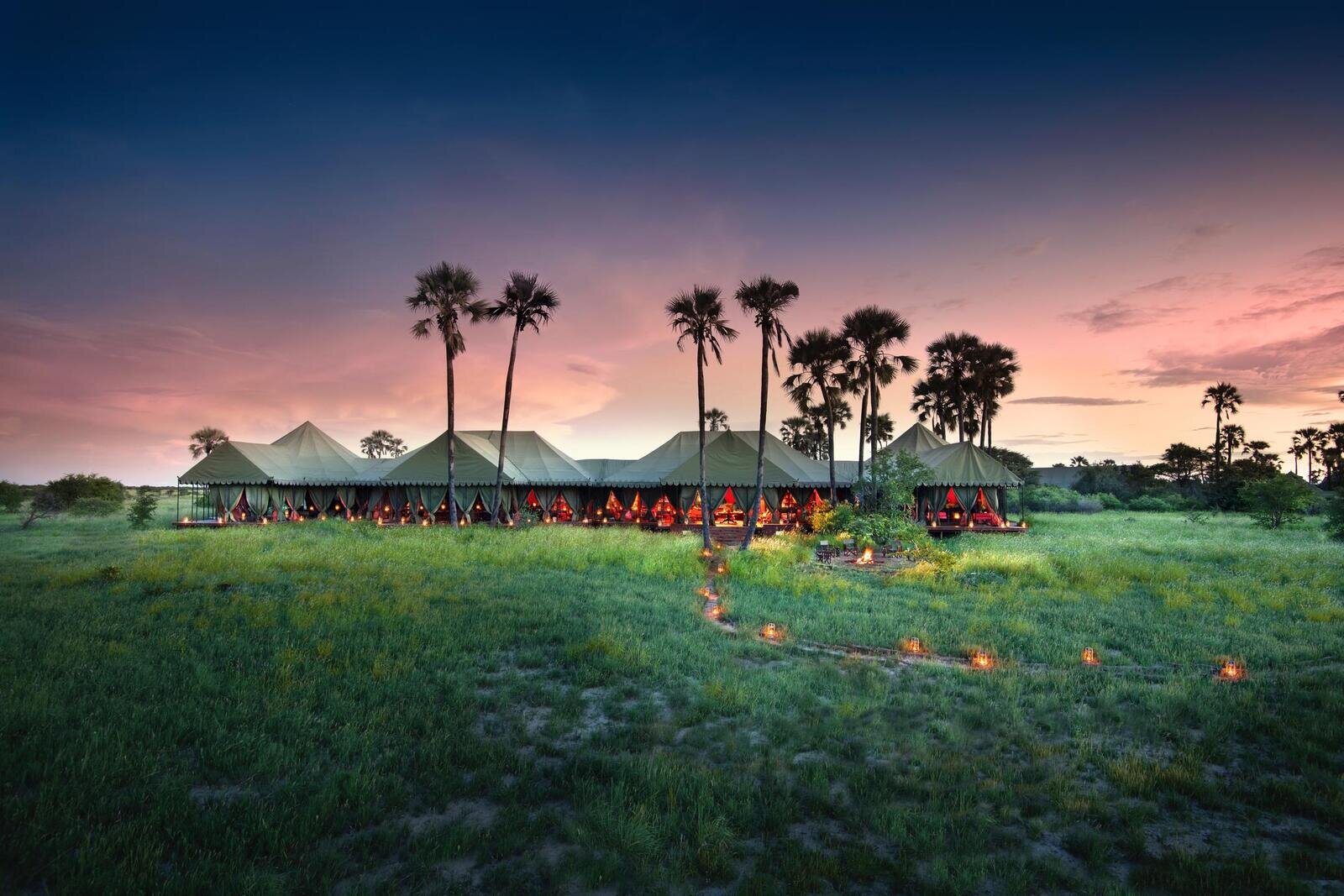
The Central Kalahari Game Reserve has no single “best” time to visit — it has two distinct seasons, each delivering a completely different experience. The dry season (May–October) offers classic safari conditions: sparse vegetation, concentrated wildlife, and reliable game viewing. The green season (November–April) transforms the Kalahari into something extraordinary — lush, alive, and teeming with predator action during calving season. Neither is wrong. They are simply different.
What follows is a month-by-month breakdown to help you decide which Kalahari is right for you.
Central Kalahari Seasons at a Glance
| Season | Months | Conditions | Best for |
|---|---|---|---|
| Peak dry season | July–October | Cool to warm, very dry, excellent visibility | Classic game viewing, photography, first-time visitors |
| Shoulder dry | May–June | Mild, drying out, good game viewing | Value, fewer visitors, uncrowded camps |
| Early rains | November | First rains, dramatic skies, some wildlife dispersal | Birding, lower prices |
| Green season | December–March | Wet, lush, excellent predator action, calving | Wildlife spectacle, exceptional photography, experienced travellers |
| Sweet spot | March–May | Rains tapering, lush vegetation, concentrating wildlife | Best of both worlds — underrated |
Month-by-Month Guide
January — Peak Green Season
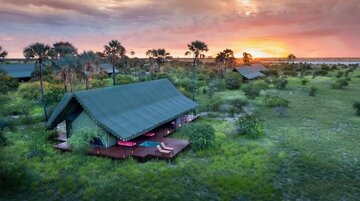
January is mid-summer in the Kalahari. The fossil valleys are green, wildflowers line the fossil riverbeds, and the reserve is at its most visually dramatic. Calving season is underway — springbok, wildebeest, and red hartebeest are dropping calves, attracting intense predator activity. Kalahari lions, cheetah, and brown hyena are active and well-fed.
The trade-off: some camps close for the rainy season, and the access roads to certain areas of the reserve can be severely compromised by standing water and deep sand. Fly-in access to operational camps remains reliable. Visitor numbers are very low.
Best for: Experienced safari travellers who want dramatic predator action and visual spectacle.
Avoid if: You want reliable road access to all areas.
February — Calving at its Peak
February is arguably the most dramatically alive month in the Kalahari. Calving is at peak intensity, and prey numbers are at their highest. The predator-prey dynamic that defines the Kalahari is on full display. Afternoon thunderstorms are common and spectacular — the kind of skies that make wildlife photographers weep with gratitude.
Some camps remain closed; confirm with operators well in advance. Self-drive is not recommended in February without extensive 4×4 experience and recovery gear.
Best for: Wildlife photographers, experienced safari travellers.
March — The Sweet Spot Begins
March is underrated. The rains are tapering. The vegetation is still lush, but wildlife is beginning to concentrate as waterholes and seasonal pans start drying. Predators are active. Migratory birds are preparing to depart. The fossils valleys remain dramatically green.
Most camps are fully operational by late March. Visitor numbers are low. Prices are typically at their green season lower rates. This combination — lush landscape, active wildlife, operational camps, and low prices — makes March one of the most rewarding months to visit the CKGR.
Best for: Best overall value month. Experienced and novice travellers alike.
April — Prime Transitional Month
April sees the Kalahari in transition. The green season is winding down; the dry season has not yet fully set in. Vegetation is still striking but thinning. Wildlife is increasingly easy to spot as cover thins. The last migratory species are departing. Temperatures are moderating from their summer peak.
All camps are open. Visitor numbers remain low. This is an excellent time to visit for travellers who want good game viewing without the July–September peak season crowds and prices.
Best for: Value seekers, game viewing that combines both green season lushness and dry season visibility.
May — Transition to Dry Season
By May, the Kalahari is drying out noticeably. Temperatures drop, particularly at night — pack warm layers for evening game drives. Vegetation continues to thin, making game progressively easier to spot. Waterholes and pans become focal points as surface water retreats.
May represents excellent value in terms of camp rates, and the game viewing is approaching peak-season quality without the peak-season prices. The dry chill of early morning game drives is part of the Kalahari experience.
Best for: Value, excellent game viewing, comfortable temperatures.
June — Dry Season Begins in Earnest
June marks the beginning of the classic safari season. Nights are cold — temperatures can drop to near freezing — but days are clear, warm, and perfect for game drives. Vegetation has thinned dramatically. Wildlife concentrates near the remaining water sources.
Deception Valley and the other fossil riverbeds become the focal corridors for wildlife movement. Lion, cheetah, and gemsbok are all highly visible. Meerkat colonies emerge in the warmth of the morning sun.
Best for: First-time visitors who want reliable game viewing, comfortable daytime temperatures, and spectacular clear-sky photography.
July — Peak Dry Season Begins
July is peak season in the Kalahari. Vegetation is at its annual minimum, visibility is excellent, and wildlife concentrations around scarce water are at their highest. The Kalahari is famous for sky-wide horizons, and in July the unobstructed views across the fossil valleys feel limitless.
Nights are very cold — sometimes below freezing — so bring serious layers for early morning and evening drives. The contrast of ice-cold early morning and warm, clear afternoon is part of what makes a July Kalahari visit so memorable.
Camp rates are at their peak, and availability at top camps should be booked months in advance.
Best for: First-time visitors, families, classic safari experience.
August — Optimal Conditions
August continues peak season conditions. Vegetation is minimal, game viewing is at its best, and the weather is reliably clear and warm during the day. Wildlife — particularly the Kalahari’s famous black-maned lions — are active around the remaining water.
This is the most popular month to visit. Book 6–12 months in advance for top camps.
Best for: Guaranteed excellent game viewing. The “safest” choice if you want reliability.
September — Late Dry Season
September maintains excellent game viewing, with temperatures beginning to warm toward summer levels. Dust increases as the land dries further. Late September sees the first hints of the coming rains — dramatic cloud formations begin building in the afternoons.
A good alternative to July–August for those who want peak-season quality with slightly more availability and marginally lower prices.
Best for: Good visibility game viewing, slightly easier camp availability than July–August.
October — Pre-Rain Transition
October is the hottest month of the Kalahari year. Temperatures can exceed 40°C in the middle of the day. Wildlife activity concentrates in the early morning and late afternoon, with the middle hours too hot for comfortable game viewing.
The compensation: the first rains sometimes arrive in October, triggering dramatic changes. When the first rains fall on a bone-dry Kalahari, the wildlife response is immediate and extraordinary. Arrival of the first herds and the return of migratory birds begins. This can be a spectacular time for experienced travellers willing to manage the heat.
Best for: Experienced travellers who want to witness the transition; shoulder-rate pricing.
November — First Rains
November brings the first sustained rains and the transformation of the landscape begins. Vegetation explodes from the pale dry-season scrub to vivid green within days of rain. Migratory birds arrive en masse. The Kalahari becomes a different place.
Some camps begin their annual closure period in November or December. Verify camp availability before planning a November visit.
Best for: Birding, dramatic landscapes, low prices.
December — Early Green Season
December continues the green season transformation. Calving season for some species begins in late December. Visitor numbers are very low outside of the southern hemisphere school holiday window. A quiet, rewarding time for travellers who appreciate solitude.
Best for: Quiet bush experience, birding, early predator action.
Practical Considerations
Malaria: The Central Kalahari is a malaria risk area year-round, with higher risk during and immediately after the rainy season (November–April). Anti-malaria prophylaxis is essential regardless of travel month. Consult your travel doctor at least 4 weeks before departure.
Access: Fly-in is the standard access method for luxury camps. During the green season, road access to some areas requires serious 4×4 capability — fly-in removes this concern entirely.
Dress: Temperatures range dramatically — from below freezing in July to above 40°C in October. Layering is essential for the dry season. Light, neutral clothing is appropriate year-round for daytime game drives.
Frequently Asked Questions — Best Time to Visit Central Kalahari
What is the best month to visit the Central Kalahari Game Reserve?
For first-time visitors and those prioritising game viewing reliability, June–September offers the best conditions: thinned vegetation, concentrated wildlife, excellent visibility, and comfortable daytime temperatures. For those seeking dramatic predator action and visual spectacle, January–March (green season calving) is extraordinary. The underrated March–May sweet spot combines both: lush landscape and improving game viewing at lower prices.
When should I avoid the Central Kalahari?
January and February can be logistically challenging — some camps close, and road access is compromised by rain. October is very hot, with midday temperatures above 40°C. Neither is a “bad” month for the right traveller, but first-time visitors are better served by the dry season.
Is the Central Kalahari good in winter?
Excellent. June to August is the prime wildlife season — clear skies, thinned vegetation, excellent visibility. Nights are cold (sometimes below freezing), but days are warm and conditions for game viewing are optimal. This is when the CKGR is at its most accessible for first-time visitors.
Does the Central Kalahari have a rainy season?
Yes. Rainfall is predominantly December–March, with the wettest months typically January and February. The rains are often dramatic afternoon thunderstorms rather than all-day rain. They transform the landscape from dry savannah to lush green but also affect road accessibility and cause some camps to close temporarily.
Is the green season worth visiting the Central Kalahari?
For experienced safari travellers, absolutely. Calving season (January–March) produces extraordinary predator activity. The landscape transforms dramatically. Visitor numbers are minimal. The experience is fundamentally different from dry season — raw, dramatic, and deeply rewarding. The trade-off is some camp closures and logistical complexity with access.
How long should I spend in the Central Kalahari?
A minimum of 3 nights. Less does not justify the journey and fly-in transfer. Many guests do 3–4 nights as part of a wider Botswana circuit, typically combined with the Okavango Delta. The Kalahari is best experienced slowly — the landscape is subtle and reveals itself over days, not hours.
African Safari Group designs Central Kalahari itineraries across all seasons. Whether you want the dramatic green season calving spectacle or the reliable dry-season wildlife viewing, our team can place you in the right camp for your dates. Enquire here.